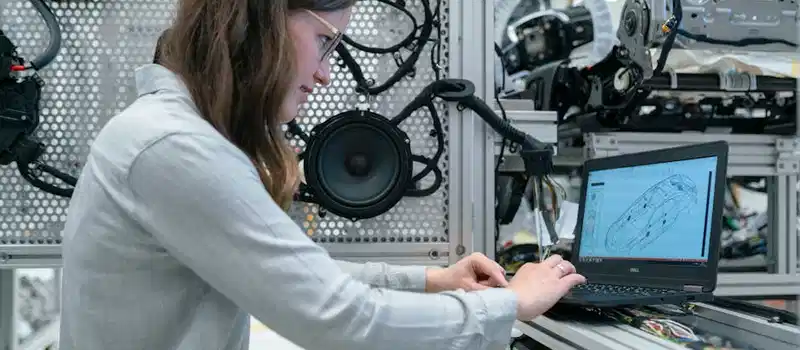
Why Rockwell Automation is the Top Choice for Industrial Growth in 2026
Ever wonder how massive factories run like clockwork without constant manual help? You might have seen rows of robots or complex machines working in perfect sync. This level of precision doesn't happen by accident. It requires a smart system to manage every move. That's where Code Park sees the most value for modern businesses.
As of January 2026, the demand for smart manufacturing is higher than ever. At Code Park, we help businesses handle these digital shifts. We know that choosing the right technology is the first step toward a thriving digital reality. One name stands out in this field: industrial automation leader, Rockwell Automation.
In this guide, you'll learn what makes this company a giant in the industry. We'll look at their main products and why they matter for your growth. You'll also see how they compare to other big names. By the end, you'll know if their solutions are right for your specific business goals.
Understanding the Basics of Rockwell Automation Systems
Rockwell Automation is a global leader focused on making manufacturing smarter. They don't just build parts. They create entire ecosystems that let machines "talk" to each other. This is often called the Industrial Internet of Things (IIoT). It's all about using data to make better decisions on the fly.
Their most famous brand is Allen-Bradley. If you walk into any major factory, you'll likely see their hardware. They also offer software under the FactoryTalk brand. This software helps you see what's happening on your factory floor in real-time. You can find more details on their official docs site.
Here are the core parts they offer:
- Programmable Logic Controllers (PLCs): These are the "brains" of the machines.
- Human-Machine Interfaces (HMIs): These are the screens workers use to control the equipment.
- Sensors and Switches: These parts help machines "feel" and "see" their setup.
- Motor Control Centers: These manage the power used by big industrial motors.
- Industrial Software: This layer connects the hardware to your office computers.
Key Benefits of Choosing Rockwell Automation for Your Factory
Why do so many companies stick with this brand? It's not just about history. In 2026, the benefits are very practical. Most businesses see a 20% to 30% increase in efficiency after upgrading their systems. That's a huge jump for any bottom line.
One big reason is the "Connected Enterprise" vision. This means your shop floor data flows directly to your management tools. You don't have to guess how many units you made today. You can see the exact number on your phone. This transparency helps you spot problems before they cause a shutdown.
Here's why these systems matter for your success:
- Reduced Downtime: Smart alerts tell you when a part is about to fail.
- Better Safety: Advanced sensors stop machines instantly if a worker gets too close.
- Easy Scaling: You can start small and add more modules as your business grows.
- Global Support: Since they're so big, you can find parts and experts almost anywhere.
- Data Security: They invest heavily in protecting your factory from cyber threats.
Rockwell Automation vs Siemens Which System Fits Your Needs
When you look for automation, you'll always find a debate. It's often Rockwell Automation versus Siemens. Both are great, but they feel very different. Rockwell is very popular in North America and parts of the Middle East. Siemens has a massive footprint in Europe.
At Code Park, we think the "best" choice depends on your current setup. If your team is already trained on one, switching can be expensive. You have to think about training time and spare parts. Rockwell systems are often praised for being more "user-friendly" for North American engineers. Siemens is often seen as very flexible for complex, custom coding.
| Feature | Rockwell Automation | Siemens | |---------|----------|----------| | Main Brand | Allen-Bradley | Simatic | | Programming Style | Tag-based (Easier to read) | Block-based (Very structured) | | Software | FactoryTalk | TIA Portal | | Market Strength | North America / UAE | Europe / Asia | | Support Network | High in Dubai/USA | High in EU |
Choosing between them is a big step. If you're building a new eCommerce warehouse in Dubai, you might prefer Rockwell for its local support. But if you're importing a machine from Germany, it might come with Siemens already inside. Always check what your local technicians know best before buying.
How to Implement Rockwell Automation in Your Digital Strategy
Starting with automation can feel scary. You might worry about the cost or the complexity. But you don't have to do everything at once. Most successful companies use a phased approach. They start with one line or one process to see how it works.
Code Park helps businesses integrate these high-tech tools with their online platforms. For example, your Shopify store could talk to your warehouse's Rockwell system. When a customer buys a shirt, the factory knows to pack it now. This level of automation is what turns a small shop into a market leader.
Follow these steps to get started:
- Audit Your Current Floor: Look for the slowest part of your production.
- Define Your Goals: Do you want more speed, or do you want to save on energy?
- Pick Your Hardware: Choose a PLC that fits your current size but allows for growth.
- Install Software: Set up FactoryTalk to start collecting data from day one.
- Train Your Team: Make sure your workers feel comfortable with the new screens.
- Connect to the Cloud: Use IIoT tools to see your data from anywhere in the world.
Common Rockwell Automation Mistakes and How to Avoid Them
Even with the best tools, things can go wrong. Many owners think the machines will do all the work. That's a mistake. You still need a good strategy and a trained team. Some companies spend millions but only use 10% of the features they bought.
One common error is ignoring cybersecurity. Since these machines are now online, they can be hacked. You must use strong passwords and keep your software updated. Another mistake is poor cable management. It sounds simple, but messy wires lead to heat issues and hard-to-find breaks.
Avoid these pitfalls to keep your factory running:
- Skipping Training: Don't just install it and leave. Give your team 2-3 days of hands-on practice.
- Buying Too Much: You don't need the most expensive controller for a simple conveyor belt.
- Ignoring Updates: Rockwell releases patches for a reason. Install them to stay safe.
- Lack of Backups: Always keep a copy of your PLC code on a separate drive.
- Poor Setup: Dust and heat kill electronics. Keep your control cabinets cool and clean.
Start Building Your Automated Future Today
The world of manufacturing is changing fast. By 2026, those who don't automate will likely fall behind. Rockwell Automation provides the tools to stay competitive. Whether you're running a small workshop or a massive distribution center, these systems offer a clear path to growth. You can learn more about IIoT trends to see where the industry is heading.
Remember, technology is only half the battle. You need a partner who understands how to bridge the gap between hardware and the digital world. At Code Park, we specialize in these exact transitions. We help you turn a vision into a thriving reality with precision and elegance.
Are you ready to improve your business? Whether it's a new eCommerce platform or a complex automation project, we're here to help. Our team combines modern tech with strategic thinking to create solutions designed for your success. Don't let your competitors get the edge.
Get in Touch with us today to see how we can transform your business.
Let's Build Something Exceptional
Frequently Asked Questions
What are the core components of a Rockwell Automation system?
A standard system typically includes Allen-Bradley hardware, such as Programmable Logic Controllers (PLCs) and Human-Machine Interfaces (HMIs), alongside FactoryTalk software for data management. These components work together to streamline industrial processes and provide real-time monitoring of factory floor operations.
What are the primary benefits of choosing Rockwell Automation for my factory?
Implementing these systems leads to increased operational efficiency, reduced downtime through predictive maintenance, and improved scalability for growing businesses. Its modular design and user-friendly interface also allow for easier troubleshooting and faster integration of new machinery.
How do I choose between Rockwell Automation and Siemens for my facility?
The choice often depends on your geographic location and existing infrastructure, as Rockwell is highly dominant in North America while Siemens is more common in Europe. You should also evaluate the specific programming environment and support networks available in your region to ensure long-term maintenance is manageable.
How can I successfully integrate automation into a digital transformation strategy?
Start by identifying specific production bottlenecks and then deploy modular hardware and software solutions that can grow with your needs. It is essential to focus on data connectivity, ensuring that information from the factory floor flows seamlessly into your high-level business analytics tools for better decision-making.
What are the most common mistakes to avoid when implementing industrial automation?
One major error is failing to provide adequate training for staff, which can lead to underutilization of the system's advanced features. Additionally, many companies neglect cybersecurity protocols or fail to plan for future hardware compatibility, resulting in costly and complex upgrades later on.
Ready to build your eCommerce empire?
Transform your business vision into a thriving online store with intelligent solutions tailored for growth.